Historic Moment: King Charles III Invites President Tinubu for First Nigerian State Visit to UK in 37 Years *By Adaeze Nwosu, AfriVerse International Affairs Editor | February 8, 2026*
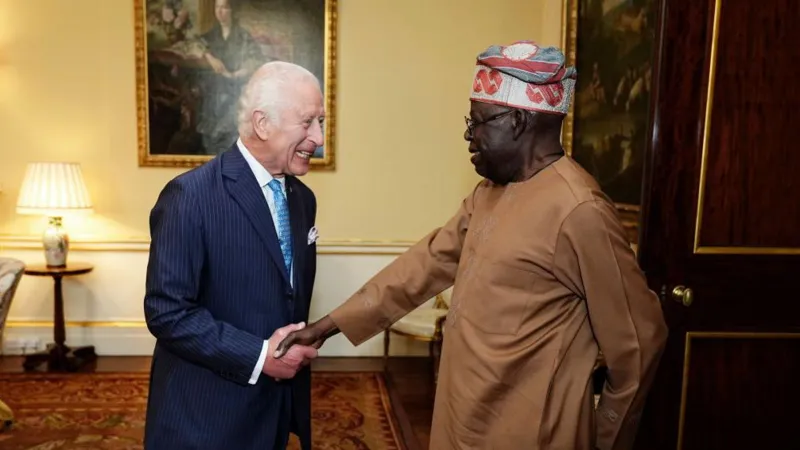
LONDON/ABUJA — In a historic diplomatic gesture that underscores the renewed warmth between Nigeria and the United Kingdom, King Charles III has officially invited President Bola Ahmed Tinubu for a state visit to Britain, scheduled for March 18-19, 2026. The visit will be hosted at Windsor Castle and marks the first official state visit by a Nigerian leader since General Ibrahim Babangida's visit in 1989.
The announcement, made simultaneously by Buckingham Palace and the Nigerian State House on Friday morning, represents a significant milestone in UK-Nigeria relations and signals Britain's recognition of Nigeria's growing importance on the global stage. Buckingham Palace confirmed the invitation in an official statement: "His Majesty The King, on the advice of the Government, has extended an invitation to His Excellency President Bola Tinubu of the Federal Republic of Nigeria to pay a State Visit to the United Kingdom.

The President and Mrs. Tinubu will be guests of His Majesty at Windsor Castle." The choice of Windsor Castle, rather than Buckingham Palace, reflects King Charles's preference for hosting state visits at the historic royal residence, a tradition he has maintained since ascending to the throne in 2022. President Tinubu expressed his gratitude and enthusiasm for the upcoming visit in a statement released by his Special Adviser on Media and Publicity, Ajuri Ngelale.
"This invitation represents a new chapter in the enduring friendship between Nigeria and the United Kingdom," President Tinubu said. "I look forward to productive discussions with His Majesty and the British Government on strengthening our bilateral relations, trade partnerships, and cooperation on regional security matters." The 37-year gap since the last Nigerian state visit reflects the turbulent political history between both nations.
Previous Nigerian military regimes faced sanctions and diplomatic isolation from Western nations, including the UK. "This visit is symbolically important because it represents full normalization of relations at the highest level," explained Dr. Adekeye Adebajo, Director of the Institute for Pan-African Thought at the University of Johannesburg. "The UK is essentially acknowledging Nigeria's democratic progress and its role as Africa's largest economy."
The timing is also significant given the UK's post-Brexit pivot towards strengthening ties with Commonwealth nations. Nigeria, as the most populous Commonwealth country after India, represents a crucial partner for British trade and diplomatic ambitions. According to diplomatic sources familiar with the planning, the two-day visit will include:
**Day One (March 18):** - Ceremonial welcome at Windsor Castle with full military honors - Private audience between President Tinubu and King Charles III - State banquet at Windsor Castle with approximately 170 guests
**Day Two (March 19):** - Meeting with Prime Minister at 10 Downing Street - Address to members of both Houses of Parliament at Westminster - Business roundtable with UK-Nigeria trade council - Cultural event celebrating Nigerian arts and heritage
First Lady Oluremi Tinubu will accompany the President and will participate in separate engagements, including visits to hospitals and educational institutions. Trade is expected to dominate discussions between President Tinubu and British officials. Bilateral trade between Nigeria and the UK currently stands at approximately £7.5 billion annually, but both governments see significant room for growth.
The UK remains one of the largest foreign investors in Nigeria, with British companies operating across sectors including oil and gas, telecommunications, banking, and consumer goods. Shell, Unilever, British American Tobacco, and Standard Chartered all have substantial Nigerian operations. "We anticipate several bilateral agreements to be signed during the visit," said Nigeria's Minister of Trade and Investment, Dr. Doris Uzoka-Anite.
"These will cover areas including technology transfer, agricultural development, and renewable energy." The UK government is particularly keen to position itself as a partner in Nigeria's energy transition plans. British firms are eyeing opportunities in Nigeria's nascent renewable energy sector, particularly solar and offshore wind.
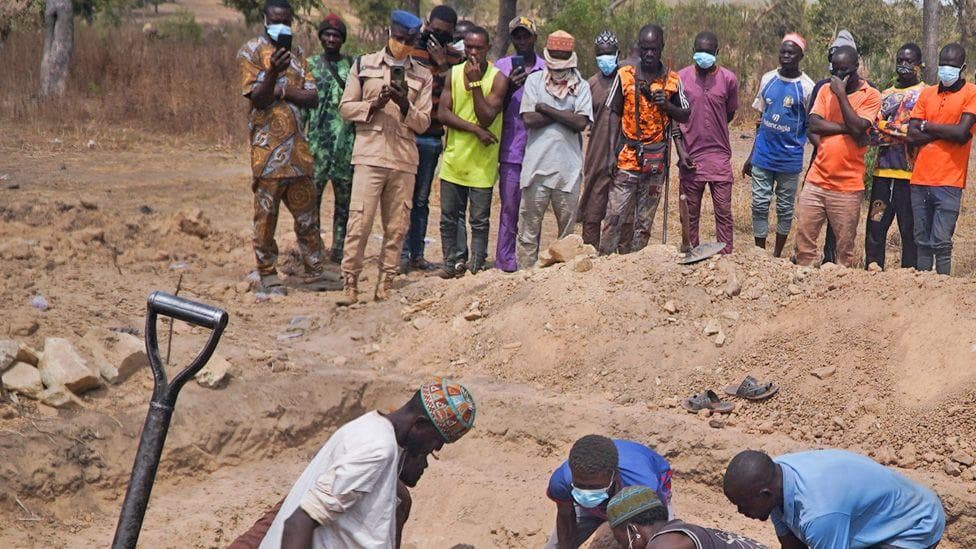
Security cooperation will feature prominently on the agenda. The UK has been supporting Nigeria's counterterrorism efforts, providing training, intelligence sharing, and equipment to Nigerian security forces. Recent jihadist attacks in Nigeria, including the devastating Kwara State massacre, have underscored the need for enhanced international cooperation.
The British government is expected to announce additional security assistance during the visit. "The UK remains committed to supporting Nigeria in its fight against terrorism and extremism," said the British High Commissioner to Nigeria, Dr. Richard Montgomery. "We are exploring ways to deepen our security partnership."
The last Nigerian state visit to the UK occurred in May 1989 when General Ibrahim Babangida was received by Queen Elizabeth II. That visit was notable for being one of the few state visits granted to a military government, reflecting Nigeria's strategic importance even during undemocratic rule. Since then, relations have experienced ups and downs.
The execution of Ken Saro-Wiwa and eight other Ogoni activists by the Sani Abacha regime in 1995 led to Nigeria's suspension from the Commonwealth and severe diplomatic tensions with Britain. Relations gradually improved following Nigeria's return to civilian rule in 1999 under President Olusegun Obasanjo, who received Queen Elizabeth II during her historic visit to Nigeria in 2003—her only visit to the country during her reign.
The visit also acknowledges the significant Nigerian diaspora community in the UK, estimated at over 250,000 people. Nigerian-Brits have risen to prominence across British society, from business and academia to politics and entertainment. "The Nigerian community here is excited about this visit," said Chief Ayo Ogundele, Chairman of the Central Association of Nigerians in the UK. "It validates our contributions to British society and strengthens the bonds between our two nations."
The diaspora is expected to feature in the visit's programming, with President Tinubu scheduled to address a gathering of Nigerian community leaders in London. The announcement has been widely welcomed in diplomatic circles. Former British Prime Minister Tony Blair, who worked closely with Nigerian leaders during his tenure, called the invitation "long overdue." The Nigerian opposition has cautiously welcomed the visit while urging the President to prioritize issues affecting Nigerians in the UK, including visa difficulties and the treatment of Nigerian students.
"We hope this visit translates into tangible benefits for ordinary Nigerians, not just photo opportunities," said PDP spokesman Debo Ologunagba. As preparations intensify for the March visit, both nations are viewing this as an opportunity to reset their relationship for a new era. For Nigeria, it represents international recognition of its democratic credentials and regional leadership. For the UK, it signals commitment to deeper engagement with Africa's largest economy.
King Charles III, who has long championed environmental causes, is also expected to discuss climate change and sustainable development with President Tinubu—issues of critical importance for Nigeria as it grapples with desertification in the north and flooding in the south. The state visit promises to be a defining moment in UK-Nigeria relations, setting the tone for bilateral engagement for years to come.