LAGOS, Nigeria —
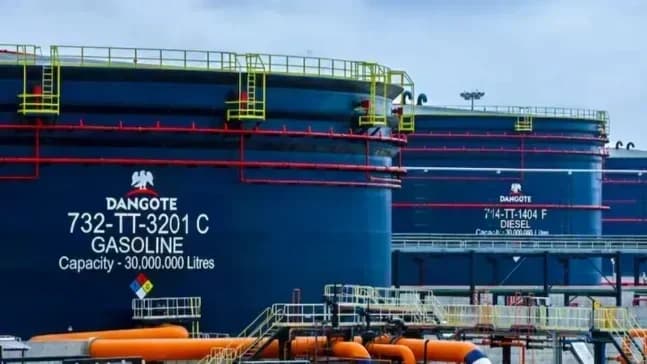
The Dangote Petroleum Refinery, the largest single-train refinery in the world and Africa's biggest oil refinery, has achieved full operational capacity of 650,000 barrels per day, marking a transformative milestone for Nigeria's energy sector and the broader African economy.
The achievement, announced by Dangote Industries Limited, represents the culmination of nearly a decade of construction and over $20 billion in investment. The refinery, located in the Lekki Free Trade Zone approximately 60 kilometers from Lagos, is now producing petrol (Premium Motor Spirit), diesel, aviation fuel, and other petroleum products at rates sufficient to meet Nigeria's domestic needs with surplus for export.

A Game-Changer for Nigeria
For decades, Nigeria has faced a paradox that seemed almost absurd: the country pumps over 1.5 million barrels of crude oil daily, ranking among Africa's top producers, yet it imports virtually all of its refined petroleum products. Dysfunctional government-owned refineries, corruption, and policy failures created a situation where Nigerian crude was shipped abroad for refining, then imported back at higher prices.
This import dependence has cost Nigeria billions of dollars annually in foreign exchange, contributed to persistent fuel shortages, and left the economy vulnerable to global oil price fluctuations. The fuel subsidy regime—paying the difference between import costs and pump prices—drained government finances and frequently brought the country to the brink of fiscal crisis.
The Dangote Refinery changes this equation fundamentally. By refining Nigerian crude domestically, the country can eliminate import costs, preserve foreign exchange, stabilize fuel supply, and potentially export refined products to neighboring West African nations.

"This refinery is not just a business venture—it is a statement about what Africa can achieve," said Aliko Dangote, Africa's richest man and the refinery's founder. "We have proven that Africans can build and operate world-class infrastructure. We don't need to depend on anyone else."
Production Milestones
The refinery's journey to full capacity has been gradual and carefully managed:
Phase 1 (Early 2024): Initial commissioning began with diesel production. The refinery demonstrated its ability to produce high-quality automotive gas oil (diesel) meeting European standards.
Phase 2 (Mid 2024): Petrol (PMS) production commenced, with initial volumes ramping up gradually. The first petrol trucks left the refinery to supply the Nigerian market.
Phase 3 (Late 2024-2025): Production capacity increased steadily as additional units were commissioned. The refinery began producing aviation fuel (Jet A1) and other specialty products.
Phase 4 (Early 2026): Full capacity of 650,000 barrels per day achieved. The refinery is now operating at designed specifications, producing:
- Petrol: Approximately 50 million liters daily
- Diesel: Approximately 30 million liters daily
- Aviation fuel: Sufficient for domestic needs
- Polypropylene: For plastic manufacturing
- Other petroleum products
Technical Achievement
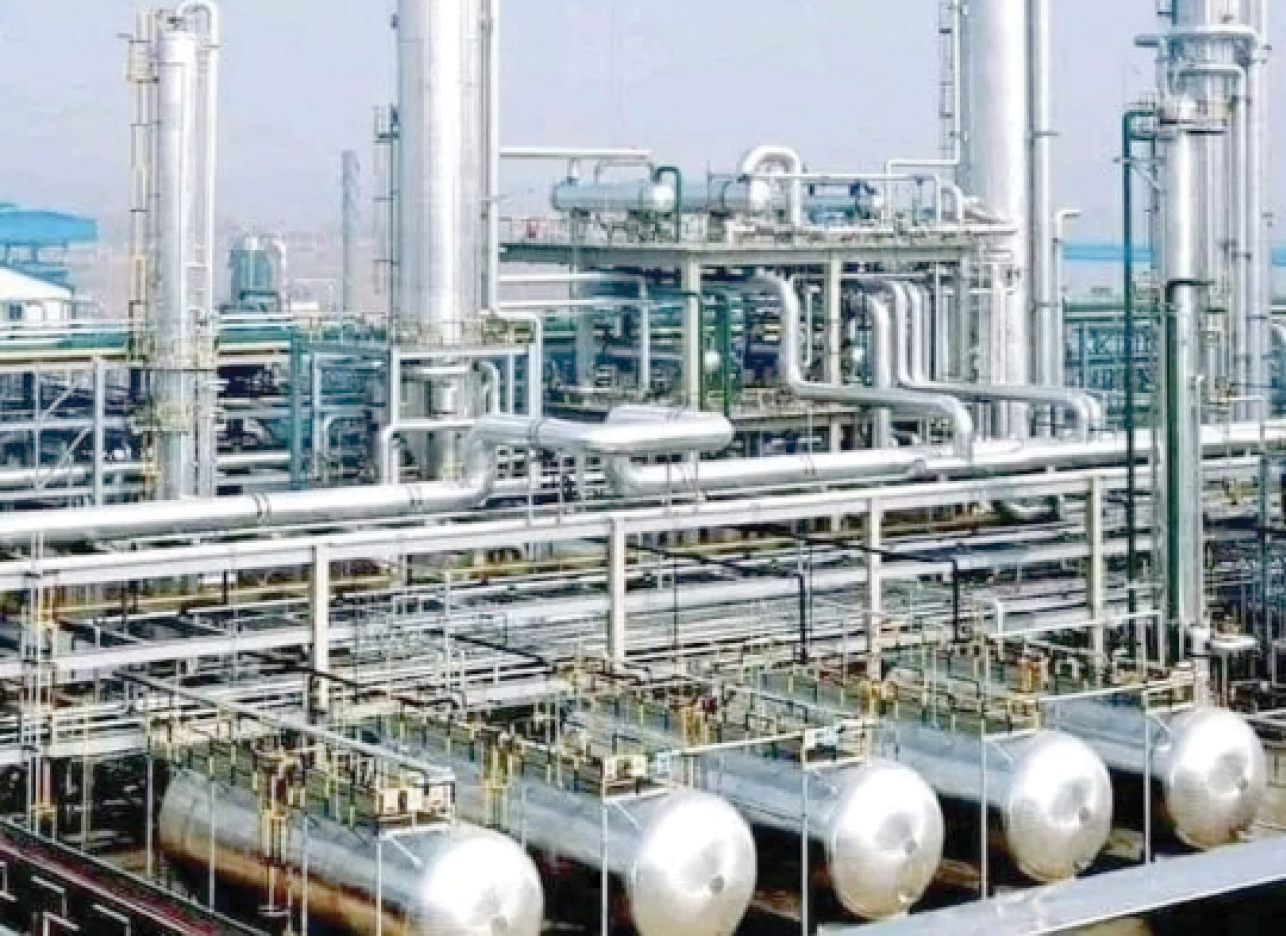
The scale and complexity of the Dangote Refinery represents a significant technical achievement. The facility includes:
- The world's largest single-train refinery unit
- 1,100 kilometers of pipelines
- A 435 MW power plant that makes the refinery self-sufficient in electricity
- A fertilizer plant capable of producing 3 million metric tons of urea annually
- Deep-sea port facilities capable of receiving the largest crude oil tankers
- Loading facilities for refined product distribution
The refinery can process various grades of crude oil, including Nigerian crude and imported grades, providing flexibility in feedstock sourcing. This capability allows the refinery to optimize operations based on crude availability and pricing.
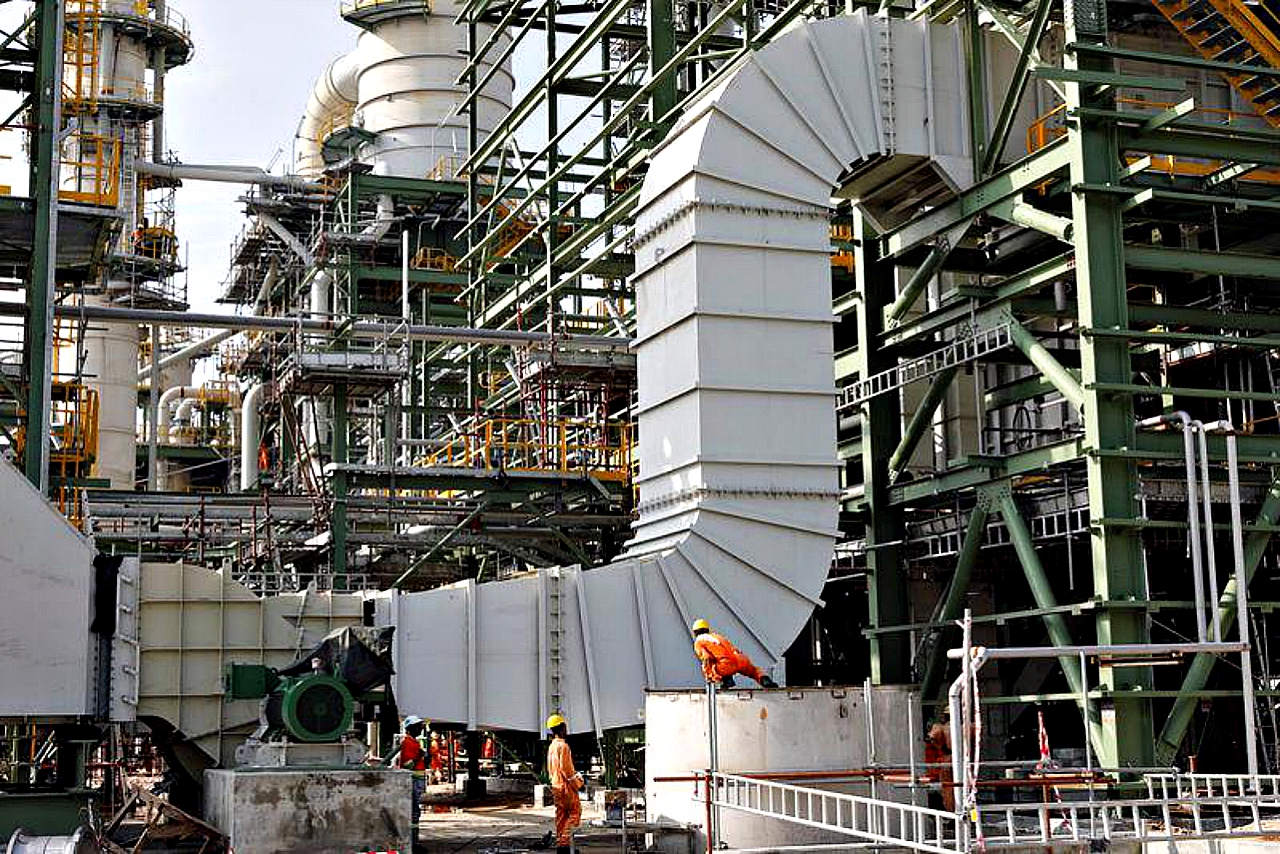
Construction employed tens of thousands of Nigerian workers, with Dangote Industries emphasizing local content and skills development throughout the project. Many Nigerians trained during construction have transitioned to permanent operational roles.
Economic Impact
The economic implications of the Dangote Refinery operating at full capacity are substantial:
Foreign Exchange Savings: Nigeria has historically spent $15-20 billion annually importing refined petroleum products. Domestic production eliminates most of this outflow, strengthening the naira and improving the country's balance of payments.
Fuel Price Stability: With local production, Nigerian fuel prices become less susceptible to international market volatility. Supply disruptions that previously caused shortages and price spikes can be managed more effectively.
Employment: The refinery directly employs thousands of Nigerians in skilled positions. Indirect employment through supporting industries, transportation, and retail distribution creates additional jobs throughout the economy.
Export Potential: With domestic demand met, surplus production can be exported to neighboring countries that currently import refined products from Europe and Asia. This positions Nigeria as a regional energy hub.
Industrial Development: The polypropylene plant provides raw materials for Nigeria's plastics industry, reducing import dependence for manufacturing inputs and supporting industrial growth.
Challenges Overcome
The refinery's path to full operation was not without challenges. During construction and early operations, Dangote Industries faced:
Crude Oil Supply Issues: Initial disputes with Nigerian National Petroleum Corporation (NNPC) over crude supply pricing and availability required negotiation. The refinery now has agreements ensuring steady crude feedstock.
Infrastructure Constraints: Nigeria's inadequate infrastructure—roads, ports, power—required the refinery to develop its own supporting facilities, adding to costs but ensuring operational independence.
Regulatory Hurdles: Navigating Nigeria's complex regulatory environment, including the oil sector's transition from the old Petroleum Industry Act framework, required patience and advocacy.
Market Establishment: Building distribution networks and customer relationships in a market long dominated by importers required strategic partnerships and investment.
These challenges, while significant, were overcome through persistence, investment, and the fundamental value proposition the refinery offers.
Implications for African Energy
The Dangote Refinery's success has implications beyond Nigeria. It demonstrates that large-scale industrial development is achievable in Africa when private sector initiative is combined with appropriate government support.
Other African nations dependent on fuel imports are watching closely. Countries including Ghana, Senegal, and Kenya are exploring refinery development, encouraged by Dangote's example. Regional refining capacity could reduce Africa's collective import dependence and keep more value from the continent's petroleum resources in Africa.
The refinery also challenges narratives about African inability to develop complex industrial facilities. For decades, conventional wisdom held that refining was too technically demanding and capital-intensive for African development. Dangote has proven otherwise.
Government Response
The Nigerian government has welcomed the refinery's achievement of full capacity, recognizing its strategic importance.
"The Dangote Refinery is a national asset," stated a senior government official. "It represents the kind of private sector investment that Nigeria needs—creating jobs, saving foreign exchange, and building capabilities that benefit the entire economy."
The government has worked to ensure regulatory frameworks support the refinery's operations, including agreements on crude oil pricing and distribution arrangements. Policy coordination between the refinery and government agencies continues as the market adjusts to domestic production.
Looking Forward
With full capacity achieved, attention turns to optimizing operations and maximizing the refinery's economic impact. Priorities include:
- Establishing export markets in West Africa
- Expanding petrochemical production
- Continuing workforce development
- Integrating with Nigeria's broader industrialization strategy
For Aliko Dangote, the refinery represents a personal legacy project, proof that African entrepreneurs can execute transformational projects that change their nations' trajectories.
"We were told it couldn't be done," Dangote reflected. "They said Africa couldn't build a world-class refinery. We built the world's largest. That is the message: we can."
---
Sources: Dangote Industries Limited, Reuters, Bloomberg, verified Nigerian news sources